
Beyond Surface Choices: Why Smart Homeowners Are Rethinking Tile Systems Entirely

245 Views
For years, homeowners approached tile like fashion; picking colors and patterns under showroom lights. The industry sold tile as decoration first and performance second. That thinking is quietly collapsing.
Modern homes face far more pressure today than they did twenty years ago. Tighter construction traps moisture, open layouts concentrate foot traffic, and larger windows cause thermal movement. Tiles have become part of how a building quietly protects itself over time. When every tile is treated the same, regardless of where or how it’s used, that’s usually where the problems start showing up early: wear, movement, moisture issues, and avoidable failure that could have been designed out from the beginning.
The real question is no longer “What looks expensive?” It is “What performs properly after a decade of pressure?”
1. Floor Tiles Curated to Absorbing Everyday Life
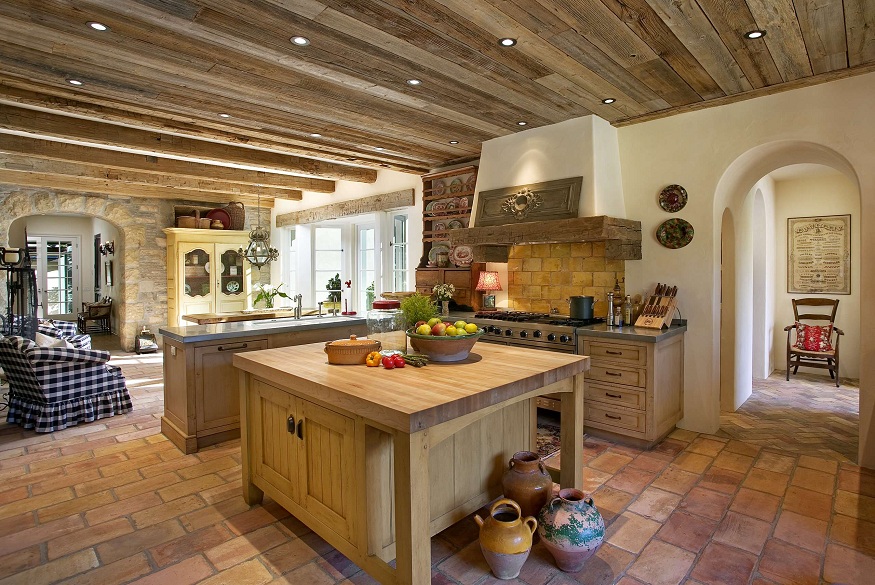
No surface takes more punishment than the floor. It endures dragging furniture, continuous foot traffic, pet scratches, and heavy impacts. Modern flooring systems must be strategic rather than purely visual. For example, choosing an authentic natural, kiln-fired Terracotta Floor Tile offers a unique structural strategy by providing excellent thermal mass and a breathable, warm underfoot surface that ages gracefully with the home.
Other reliable solutions that provide specific flooring advantages include:
Read More: 5 Things to Consider before buying an Air Purifier
- High-density porcelain flooring is engineered under extreme pressure and heat to resist moisture intrusion and impact stress far better than traditional options. For maximum durability, different environments require specific mechanical balances:
- High exposure zones like kitchens and hallways need stain-resistant tile surfaces, secure grout systems, and precise leveling.
Good flooring isn’t just built to look right, it’s built to stay reliable through the way life actually moves.
2. Roof Tiles: The First Line of Structural Defense
A roof system is the home’s first line of defense. It takes the full force of sun, heat movement, rain, and wind every single day, constantly shifting while still holding everything beneath it safe.If tile geometry or installation sequencing is flawed, water migrates inward slowly and expensively.
Traditional fired clay and ceramic roof tiles dominate long-term construction because the clay becomes incredibly stable under severe weather shifts. However, material strength alone is not enough. The real intelligence lies in the system mechanics:
- Interlocking Tile Geometry: Channels rainwater downward before it can migrate beneath the surface.
- Calculated Overlaps: Prevent wind-driven moisture from penetrating vulnerable sub-layer gaps.
- Curved Profiles: Accelerate water runoff during intense tropical storms or heavy downpours.
An intelligent roof system never fights water; it constantly redirects it away from the home.
3. Wall Tiles: Precision and Moisture Management
Wall systems carry a different responsibility entirely.Here, success depends less on impact resistance and more on moisture management, weight control, alignment precision, and visual continuity.This is where digitally printed ceramic systems have radically changed modern interior design.
Homeowners can now achieve the appearance of marble, raw stone, wood grain, or mineral textures without introducing excessive structural weight or the maintenance complications of the original material itself.
That creates smarter possibilities:
- Marble-inspired bathrooms without overloading vertical framing
- Wood-look surfaces in moisture-heavy spaces where natural timber would eventually fail
- Large-format walls with fewer grout joints, creating calmer and easier-to-clean surfaces
- Lightweight vertical systems that maintain design continuity without overcomplicating installation
That precision is what separates expensive-looking spaces from truly resolved interiors.But even premium materials fail visually when layout planning is careless.
Professional tile specialists now map entire wall systems before installation begins, aligning grids with plumbing fixtures, cabinetry lines, recessed niches, and lighting placements to eliminate awkward slivers, broken symmetry, and weak transitions. Because luxury is rarely loud, most of the time, it is simply alignment done properly.
4. The Environmental Tiling Strategy
Real tile strategy begins with understanding pressure, moisture, movement, traction, and environmental exposure long before color enters the conversation. When tile is chosen with that reality in mind, it stops behaving like decoration and starts working as part of the home’s quiet support system — the kind that holds up daily life without demanding constant repair or attention.
While appearance matters, but beauty without performance quickly turns into expensive maintenance.Understanding that a floor or wall is active infrastructure layer that regulates heat, manages moisture, and absorbs kinetic energy helps treat tiling as a critical engineering architecture that impacts structural integrity, environmental comfort, and long-term economic value of your home.
Read More: Evaluating Sound Barrier Fencing for Boise Homes
In essence, when selecting tiling materials and designs, choosing quality and aligned solutions is a critical engineering step in systematically designing a functional space while eliminating hidden vulnerabilities of structural settling, environmental exposure, and mechanical wear before they ever begin. However, identifying a reputable tiles store is crucial in bridging the gap between patterns, performance, and your project budget.

More Stories
uPVC Villa Windows: The Luxury Upgrade Your Home Needs
Ask anyone who has built a villa what they'd do differently, and windows come up more often than you'd expect....
How Do You Create Backyard Privacy on an Open Houston Homesite?
Nothing kills a backyard vibe faster than feeling watched. You step outside to relax, and there's your neighbor waving from...
Tiling Magic: The Hidden Tiling ChoiceStrategies That Make a Home Feel Right for Years
Tiling is a critical foundational element when it comes to rejuvenating your home. However, homeowners can easily succumb to paralyzing...
Why Choose Blade Hand Dryers For Your Bathroom Space?
In the dynamic landscape of restroom technology, blade hand dryers stand as a beacon of innovation and efficiency. Renowned for...
5 Things to Consider before buying an Air Purifier
Looking to buy an air purifier but confused by all the options out there? Don’t worry, choosing the right one...
Why New Construction Is Winning Over Texas Homebuyers
Texas families keep choosing new builds over existing houses, and the trend just gets stronger. Forget the obvious stuff like...