
Gas vs Electric Hot Water System Installation – What’s Better for Melbourne Homes?

333 Views
Choosing a new hot water system is not just about replacing an old unit. The type of system you install will influence energy bills, performance and long-term reliability. For Melbourne homeowners, deciding between gas and electric hot water systems requires careful consideration of property layout, usage habits and infrastructure.
Both options have advantages and limitations. Understanding how each system performs in real conditions will help you make a practical and cost-effective decision.
Why the Choice Matters
Hot water systems operate daily and account for a significant portion of household energy use. Selecting the wrong type can result in higher running costs or insufficient supply during peak times.
Melbourne’s climate also plays a role. Cooler winters increase demand for hot water, particularly in larger households. The system you choose must handle this demand without compromising efficiency or safety.
Key Differences Between Gas and Electric Systems
Energy Efficiency
Gas hot water systems generally heat water faster than electric storage units. Because gas burners produce high levels of heat quickly, recovery times are shorter. This makes gas systems suitable for households with high water usage.
Electric systems vary in efficiency depending on the type. Standard electric storage units can be less efficient due to slower heating times. However, modern electric heat pump systems are significantly more energy efficient than older models.
The overall efficiency of either option depends on correct sizing and installation.
Installation Costs
Initial installation costs differ between the two systems. Gas systems often require connection to an existing gas line. If the property does not already have gas infrastructure, installation expenses can increase considerably.
Electric systems are typically simpler to install in homes with existing electrical capacity. However, upgrading switchboards or wiring may still be necessary in older properties.
When comparing upfront costs, homeowners should factor in both equipment and any required infrastructure adjustments.
Running Expenses
In Melbourne, natural gas has historically been more affordable per unit of energy than electricity. This often results in lower operating costs for gas systems, particularly in larger households.
Electric systems may incur higher ongoing expenses unless paired with off-peak tariffs or renewable energy sources such as solar panels. Homes with solar installations may benefit from electric systems by using self-generated power during the day.
Long-term cost comparisons should consider current energy prices and expected usage patterns.
Household Usage Patterns
Small households with moderate water use may find electric systems adequate. Larger families with multiple bathrooms often prefer gas due to faster recovery rates.
Continuous flow gas systems provide hot water on demand, which reduces the risk of running out during busy periods. Electric storage systems, however, rely on tank capacity and reheating cycles.
Matching system capacity to daily demand is essential for reliable performance.
Property Factors That Influence Suitability
The layout and condition of your property can significantly influence which system is more appropriate.
Infrastructure and Gas Availability
If your home already has a reliable gas connection, installing a gas hot water system may be straightforward. Without an existing gas line, the additional work required can make electric systems more practical.
Electrical capacity is equally important. Older Melbourne homes sometimes require switchboard upgrades to support new electric units safely.
Roof Space and Ventilation
Gas systems, particularly continuous flow units, require proper flue installation to vent combustion gases safely. This often involves roof or wall penetrations.
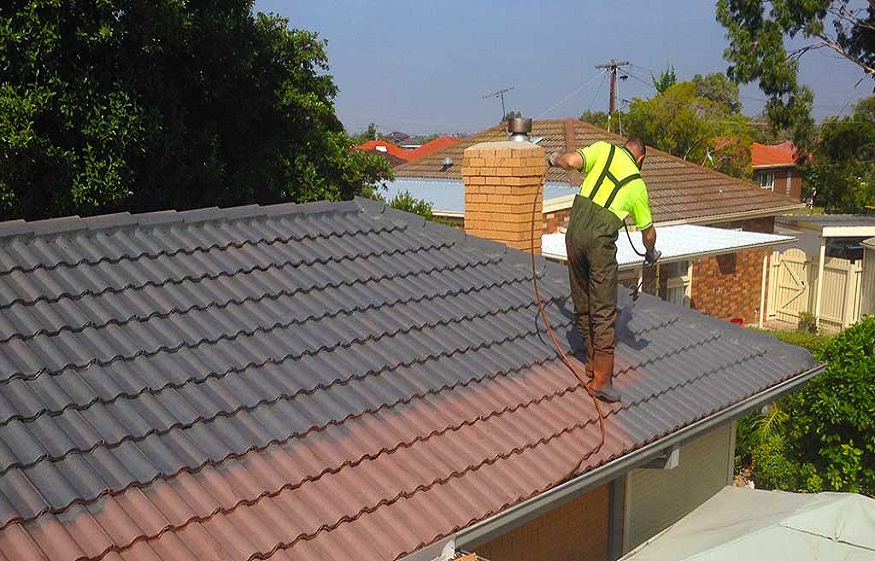
The condition of roofing materials must be considered when installing flues. In some cases, homeowners undertaking major roofing upgrades combine hot water system changes with Roof Restoring projects. Coordinating installation with Roof restoring services ensures any penetrations are sealed properly and comply with building standards.
Electric systems do not require flues, making them simpler in properties where ventilation options are limited.
Space Requirements
Storage tanks, whether gas or electric, require adequate physical space. Continuous flow gas systems are generally more compact and can be mounted externally.
Apartment living or narrow block designs may influence which system is feasible.
The Importance of Professional Installation
Regardless of the system type, correct installation is critical for safety and compliance. Improper gas connections pose serious risks, while faulty electrical wiring can create hazards.
Engaging professionals for Hot Water System Installation ensures the unit is sized correctly, connected safely and installed in accordance with Victorian regulations. Choosing a professional hot water system installation also protects manufacturer warranties and reduces the risk of future breakdowns.
Qualified installers assess pressure requirements, ventilation needs and existing infrastructure before recommending a system.
Long Term Considerations
When comparing gas and electric systems, think beyond the purchase price. Consider energy efficiency, maintenance requirements and future household needs.
Gas systems may offer lower running costs for large families, while electric systems paired with solar can reduce reliance on grid power. Environmental goals also influence the decision, as some homeowners prefer electric systems to align with renewable energy plans.
Maintenance is another factor. Gas units require periodic safety checks, while electric systems may need element replacements over time.
Conclusion: Choosing What Works for Your Melbourne Home
There is no universal answer to whether gas or electric hot water systems are better. The right choice depends on your property’s infrastructure, household size, energy usage and long-term financial goals.
Gas systems offer fast heating and strong performance for high-demand households. Electric systems can be cost-effective in homes with suitable electrical capacity or solar integration.
Before making a decision, arrange a professional assessment to evaluate your home’s setup. Expert advice ensures the system you choose operates efficiently, safely and in line with your future energy plans.


More Stories
How to Know When You Need a New Roof
Perhaps high winds have just rolled through and damaged your roof. You are uncertain if you need a new roof...
Fluctuating Roof Temperatures: Cause and Effect
A roof can be thought of as a rubber band. Rubber bands and roofs have elastic properties. They can shrink...
How Long Does It Take To Install A New Roof?
The average Tampa house's roof can be replaced in less than one to two days. It covers approximately 3,000 square...