
Why Pest Problems Get Worse During and After Major Home Renovations

76 Views
Renovating a home is meant to improve comfort, functionality and appearance. However, many homeowners notice an unexpected increase in pest activity during and after renovation projects. What appears to be a new problem is usually an exposed one. Renovation work does not create pests; it disturbs hidden habitats, opens entry points and alters structural conditions in ways that pests readily exploit.
Understanding why this happens can help you prevent a minor disruption from turning into a serious infestation.
How Construction Work Disrupts Pest Behaviour
Pests are rarely random visitors. In most properties, insects and rodents already occupy concealed areas such as wall cavities, roof voids, subfloors and underground burrows. When renovation begins, especially during demolition, removal of cabinetry or stripping of flooring, these sheltered spaces are disturbed.
Noise, vibration and structural changes force pests to relocate. Rodents and insects that once remained hidden are suddenly pushed into more visible areas of the home. This is why homeowners often notice increased activity in kitchens, living rooms or bedrooms during renovation.
External excavation and landscaping changes can also disrupt underground nests. Disturbing soil around foundations may drive ants, termites, rats or mice toward the building in search of shelter and food. Construction does not attract pests out of nowhere; it displaces existing populations and pushes them into new zones.
New Materials, New Hiding Spots
Renovation introduces new materials and structural modifications that can unintentionally create pest opportunities. When installing features such as porcelain slabs in kitchens or bathrooms, walls and cabinetry are often removed or adjusted. Even though porcelain surfaces are durable and hygienic, the areas behind and beneath them may be temporarily exposed during installation.
Wall cavities that were previously sealed become open. Plumbing and electrical upgrades create new penetrations through floors and walls. Gaps around conduits, pipes and structural joints provide easy pathways for insects and rodents before final sealing is completed.
Construction debris also plays a role. Cardboard packaging, timber offcuts, insulation and plasterboard fragments create ideal temporary nesting spots. Dust and moisture from building work can further encourage pest settlement. If the site is not managed carefully, pests may establish colonies during the renovation process itself.
Why Post-Renovation Pest Issues Are Harder to Treat
After renovation is complete and walls are sealed, displaced pests can remain trapped within newly enclosed spaces. Wall cavities and roof voids offer dark, undisturbed environments where pests can breed.
Over time, these hidden populations expand. When space becomes limited or food sources are sought, pests move into visible living areas. At this point, infestations often appear more severe than before renovation began.
The difficulty lies in access. Once finishes such as plasterboard, cabinetry and tiled surfaces are installed, locating and treating pests becomes more complex. Homeowners may hesitate to disturb newly renovated areas, which can delay intervention and allow the infestation to grow.
The Cost of Ignoring Pest Signs After Renovation
Pest activity following renovation should never be ignored. Termites can exploit structural gaps and begin feeding on timber framing. Rodents can chew electrical wiring, damage insulation and contaminate surfaces with droppings. Cockroaches and ants may spread bacteria and trigger allergies.
By the time pests become clearly visible in completed spaces, colonies may already be well established. Delayed treatment increases both cost and complexity. Structural damage can compromise the very improvements the renovation was meant to achieve.
Addressing the issue early helps protect both your financial investment and the safety of occupants.
Why Pest Management Should Be Part of the Renovation Plan
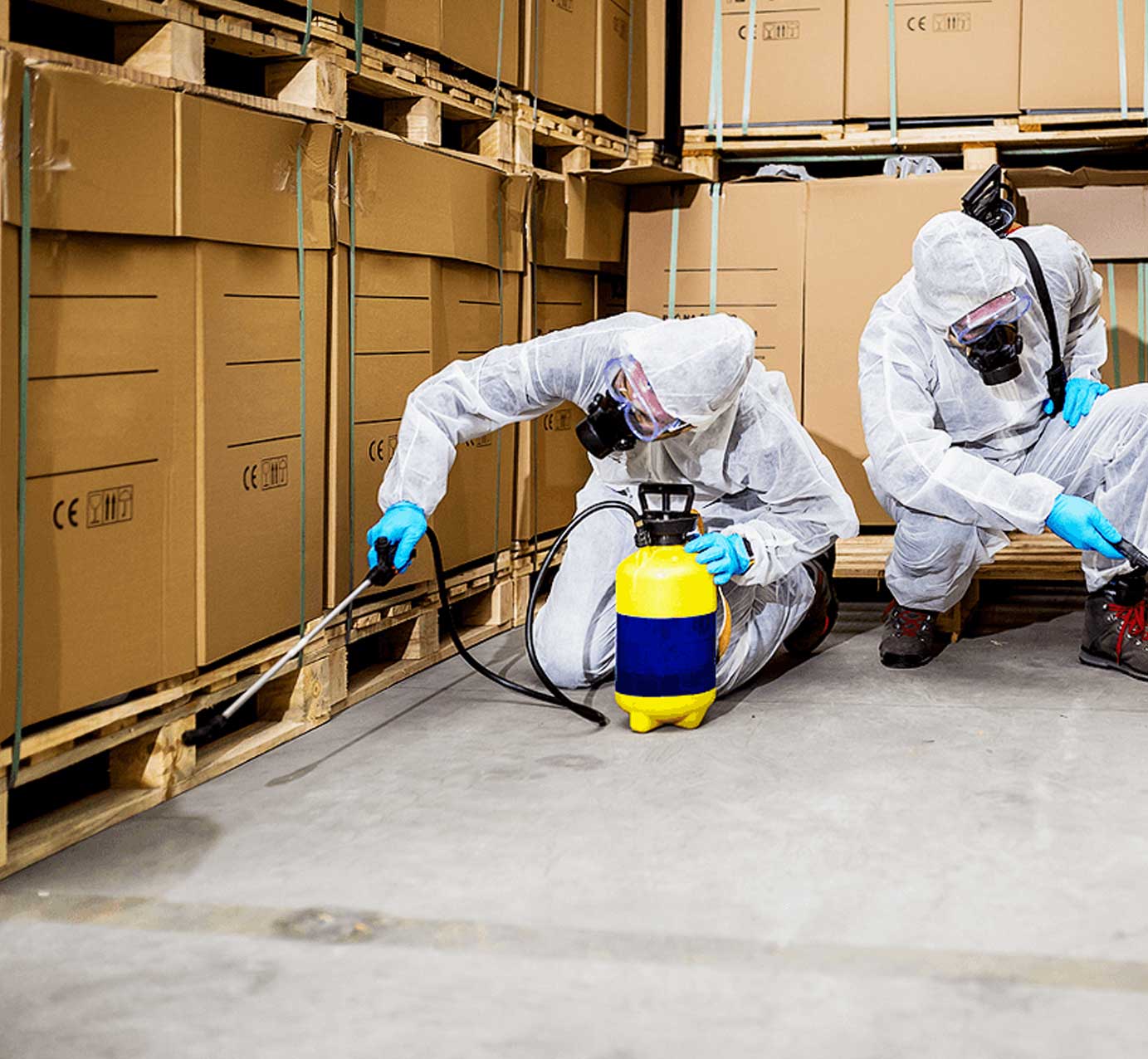
Pest management should be considered a standard part of any major renovation. Engaging professionals before demolition begins allows hidden infestations to be identified and treated early.
A qualified provider offering Pest Control Sydney services can conduct a pre-renovation inspection to assess termite risk, rodent harbourage areas and insect activity. This proactive step reduces the likelihood of pests relocating into newly exposed spaces.
Professional advice can also guide builders on sealing entry points, managing waste materials and maintaining a clean site throughout construction. Post-renovation follow-up inspections ensure that displaced pests have not re-established themselves inside walls or roof cavities.
This structured approach prevents small disruptions from escalating into long-term infestations.
Practical Steps to Minimise Pest Issues During Renovation
Effective prevention requires coordination between homeowners, builders and pest professionals.
Pre-work inspection:
Before demolition begins, arrange a professional pest inspection to identify hidden nests, termite activity and rodent access points.
Maintain a clean worksite:
Remove food waste daily and keep materials organised. Avoid leaving cardboard, timber scraps or standing water on site.
Seal openings promptly:
As plumbing and electrical work progresses, ensure gaps around penetrations are sealed as soon as possible to prevent pest entry.
Schedule post-completion checks:
After walls and finishes are installed, conduct follow-up inspections to confirm no pests remain inside structural cavities.
These measures significantly reduce the risk of infestation during and after renovation.
Conclusion
Pest problems often intensify during and after major renovations because construction disrupts hidden habitats and creates temporary entry points. While modern finishes such as Porcelain Slabs in Sydney provide durability and style, they do not prevent pests if structural gaps are left exposed beneath them.
Renovation disturbs existing pest populations and may push them into more visible areas of your home. Without proper management, small issues can evolve into serious infestations that damage timber, wiring and newly installed surfaces.
By integrating pest prevention into your renovation plan and consulting professionals who specialise in Pest Control Sydney, you protect your investment and avoid costly surprises. Proactive inspection and treatment ensure your improved home remains safe, comfortable and pest-free long after construction ends.
FAQs
Why do pests become more active during renovations?
Renovation disturbs nesting areas, soil and wall cavities, forcing pests to relocate into visible areas of the home.
Can renovations reveal hidden infestations?
Yes. Removing walls, flooring and cabinetry often exposes pest activity that was previously concealed within structural spaces.
Are termites a higher risk during renovation?
Yes. Structural changes and exposed timber can attract termites if preventive treatment is not undertaken.
Should pest control be scheduled before renovation starts?
Yes. A pre-renovation inspection reduces the risk of pests relocating or establishing colonies during construction.


More Stories
Have a Restaurant: Know How to Prevent Pests There
Having a restaurant in Brisbane means you have the best spot for pest infestation. Not only that, you and your...
Long Beach Resident’s Reliable Services in Pest Control
Long Beach residents may be affected by pests, which can cause a lot of inconvenience and threaten their health. Pests...
Expectation from Pest Control Company in their First Visit
If you are hiring pest control in Melbourne for the first time and confused about what to expect from a...
How To Treat Termite Infestations In Inaccessible Areas In Your Home?
Termites are a nightmare for not only homeowners but any kind of property owner. They are difficult to find out...
Keep Sow bugs Out Of Your Home With This Guide
Assuming you have and maintain a garden, there's a high risk that it will draw in a range of bugs....
Pest control dos and don’ts
How are you able to safely solve your cuss problems? The key's to be ready to raise queries. the primary step is to grasp the pests you have got and therefore the choices obtainable to cope with specific pests. Try cuss bar First. •...