
Evaluating Sound Barrier Fencing for Boise Homes

346 Views
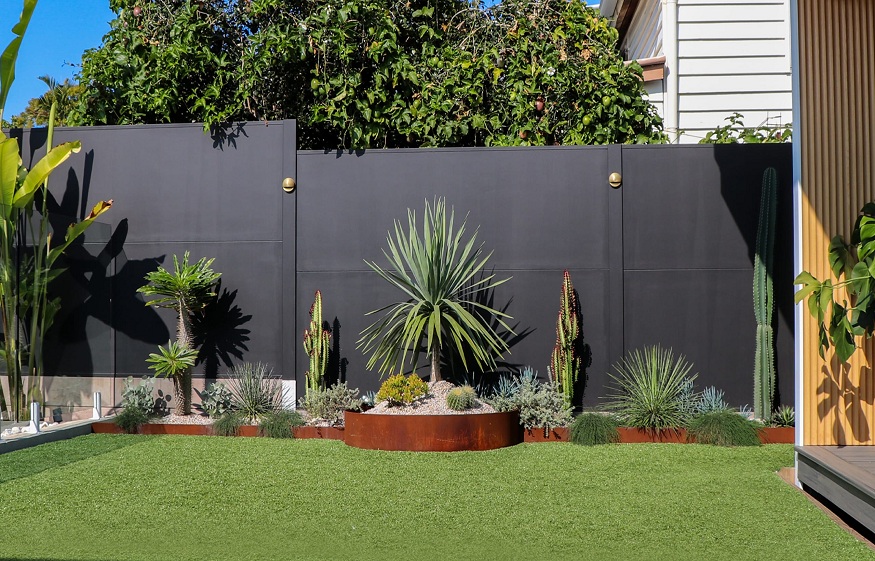
Traffic noise in Boise is a concern across neighborhoods close to I-84, Eagle Road, State Street, and Chinden Boulevard. If you are choosing a fence for your property, it makes sense to find one that addresses this aspect. At the same time, the weather in this region, which includes freeze-thaw cycles in winters, can impact fencing materials, and focusing on aesthetics alone isn’t enough.
Fortunately, installers like petrifiedfenceboise.com now offer sound barrier fencing in Boise. Petrified Fence has a local team here and specializes in concrete designs. In this guide, we will discuss sound barriers in more detail.
What is sound barrier fencing?
True to the name, sound barriers are designed to either absorb or deflect noise, ensuring you have a peaceful property. While privacy is an added benefit, the main objective is to keep external sounds away. Three factors that matter the most for sound control are mass, density, and continuity. Today, installers offer hybrid and concrete options that can keep noise from traffic, construction, and surroundings away.
Core performance factors at a glance
The first thing about sound barriers is the height, but keep in mind that there could be restrictions placed by your HOA. Fence length and continuity also matter, and the material you choose has to be dense enough to deflect noise. Too many gaps, especially at ground level and seams, can also impact results. So, what materials work the best? Concrete is probably the best choice for many reasons, but the upfront investment is higher. Composite sound barrier panels are also gaining popularity. If sound blocking is your objective, vinyl and wood are unlikely to suffice.
Concrete sound barrier fencing
Concrete fences are designed to perform in Boise’s weather and can easily block external noise, thanks to the density and mass of the material. Whether you are concerned about the weather impact or loud neighbors, this could be your perfect choice. Continuous panel systems are ideal for reducing sound leakage, and many installers will even offer a lifetime warranty on these sound barriers. There are two main choices:
Precast concrete sound barrier panels: These panels are made in a factory to ensure density and thickness, and are installed at the site. The installation process is faster, and you can expect consistent acoustic performance.
Poured-in-place concrete sound barriers: This is the second option, which involves pouring and curing concrete onsite, which also means higher labor requirements and installation time.
Considerations for Boise properties
After an initial inspection, installers can tell you about the minimum effective height. Fence placement is also critical, considering the noise sources, and you can choose between full-length and partial barriers. Technicians will also keep soil composition in the Treasure Valley in consideration, along with other details like footing depth, wind load requirements, and lifespan expectations.
A quick note here: Many people assume that concrete sound barriers will look flat, but that’s untrue. Today, you can choose between textured and patterned concrete finishes to match your property’s architecture.
Quick pointers to consider
Talk to your installation team about local zoning height restrictions, and if additional permits are required, they should be able to handle all that. Before comparing concrete and hybrid barriers, make sure to consider other elements, including replacement cycles, maintenance costs over time, and the need for repairs.
Installation is critical
You should always choose a sound barrier installer in Boise who has experience with such projects. Besides the material, the design and installation are critical aspects for performance. The installer should ideally share a payment plan and overall budget, and if you are choosing concrete, expect the process to take longer. The good news is you don’t have to spend on additional repairs or upkeep for many years to come.
More Stories
Tiling Magic: The Hidden Tiling ChoiceStrategies That Make a Home Feel Right for Years
Tiling is a critical foundational element when it comes to rejuvenating your home. However, homeowners can easily succumb to paralyzing...
Why Choose Blade Hand Dryers For Your Bathroom Space?
In the dynamic landscape of restroom technology, blade hand dryers stand as a beacon of innovation and efficiency. Renowned for...
Beyond Surface Choices: Why Smart Homeowners Are Rethinking Tile Systems Entirely
For years, homeowners approached tile like fashion; picking colors and patterns under showroom lights. The industry sold tile as decoration...
5 Things to Consider before buying an Air Purifier
Looking to buy an air purifier but confused by all the options out there? Don’t worry, choosing the right one...
Why New Construction Is Winning Over Texas Homebuyers
Texas families keep choosing new builds over existing houses, and the trend just gets stronger. Forget the obvious stuff like...
How to Choose the Best Architects in Singapore: Top 5 Tips Before Designing Your Dream Home
With Singapore’s land scarcity having 720 square kilometres for 5.5 million residents, strict URA guidelines, and rising design expectations, the...